Apply thermal breaks
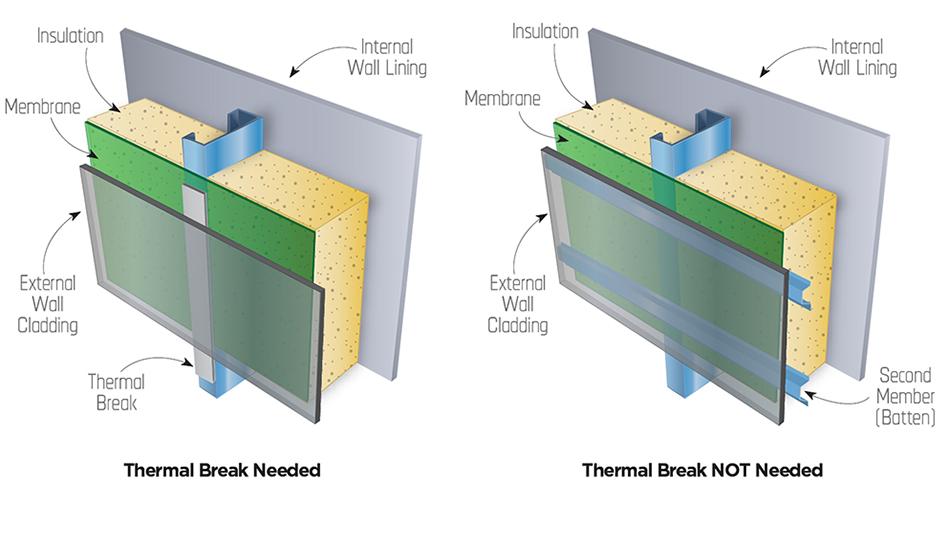
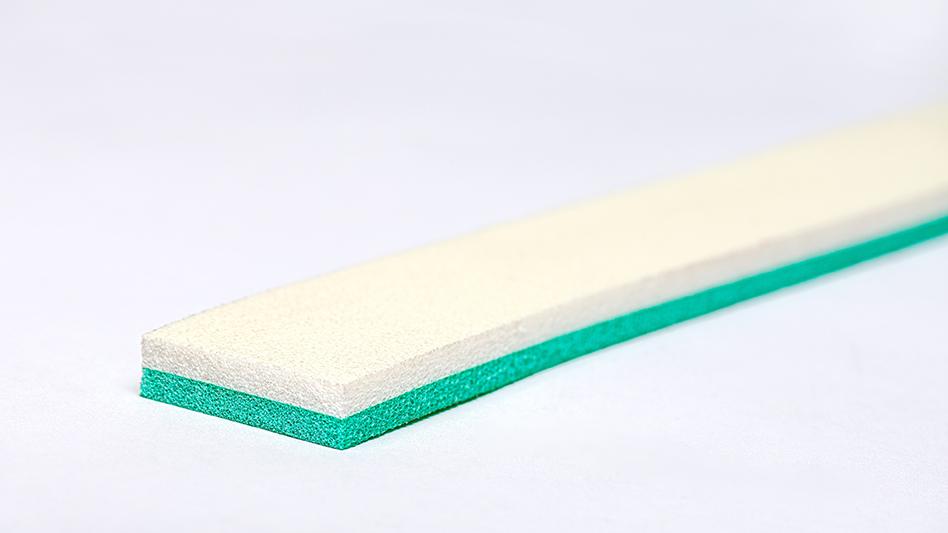
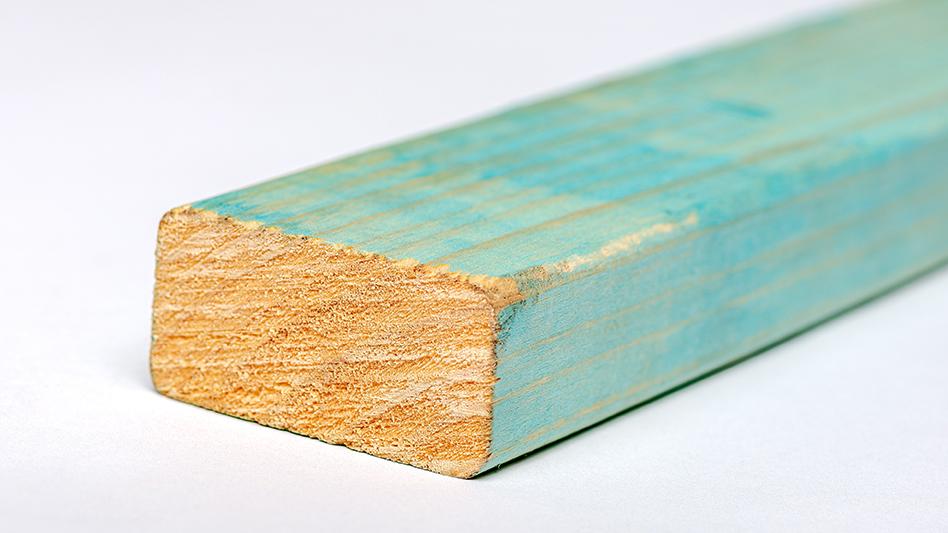
(00:06) Where thermal breaks are needed to meet the NCC requirements, there are a number of options. Commercial products with an R value of 0.2, metal batten, or timber with a minimum 20mm thickness.
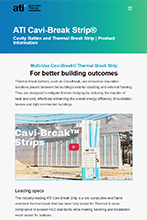
Thermal breaks reduce the flow of thermal energy between conductive materials such as lightweight metal cladding and a steel frame.
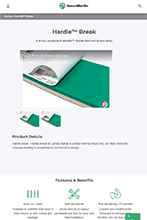
Today we are looking at the application of a commercial product with an R value of 0.2.
(00:38) The first step is to apply a double-sided tape up and along studs to act as a temporary fixing for the breathable pliable membrane until it is screw fixed into position. Short lengths of tape are sufficient.
The membrane is applied with the foil side to the inside. The membrane must be a vapour-permeable membrane Class 3 or 4.
(01:26) Ensure it is applied square and smooth.
There are a range of options acceptable to secure the membrane in line with AS 4200. Here we show an example of the screw and washer option.
Additional screws would be required to meet the spacing requirements which is stated as being not greater than a 600mm grid.
(02:40) The thermal break is then applied following the specific product manufacturer's instructions.
(03:00) The thermal break needs to fully cover the height of the cladding.
(03:35) Apply the cladding following the cladding manufacturer's instructions. And ensure it is fastened through the thermal break, membrane and stud.