
Mastering Light Gauge Steel Frames
Explore our collection of topics developed to help builders learn about working with LGS frames.
Explore our collection of topics developed to help builders learn about working with LGS frames.
Light Gauge Steel (LGS) framing is a popular alternative to standard construction materials.
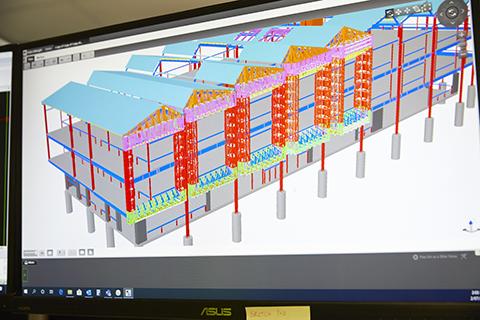
Look at the design process through to manufacturing and assembling LGS frame components in the factory.
In this topic we look at the specific safety considerations when working with LGS framing and components.

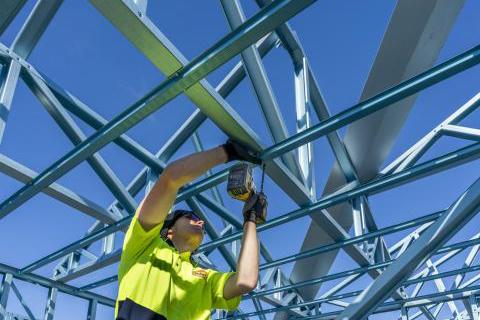
In this topic, we look at a few common tools that make LGS frame installations both safer and more efficient.

Early planning and working closely with your fabricator will enable fast and efficient on site construction.
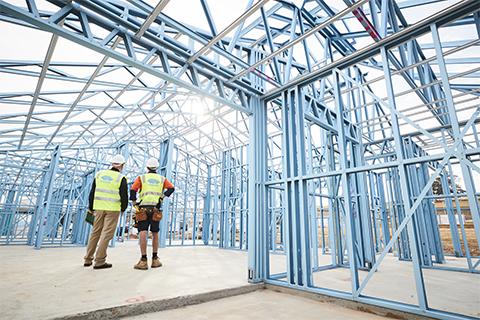
In this topic we look at what needs to be checked prior to frames being delivered to site.
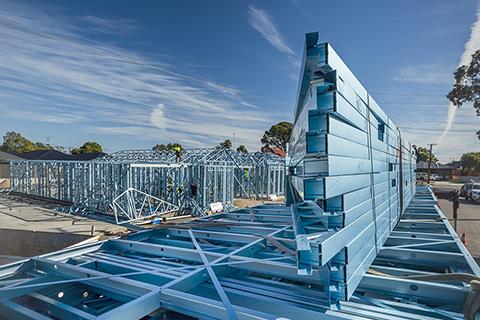
Read our tips about storing frames on-site to ensure a smooth construction workflow and to protect the frames from damage.
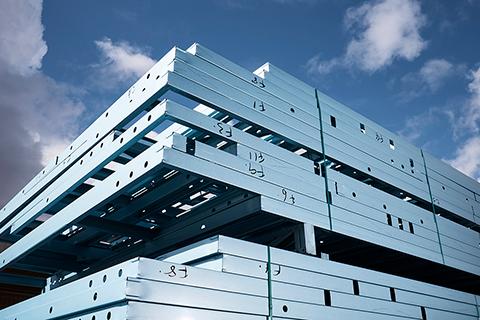
Discover why achieving level slabs is important for the accuracy and alignment of light gauge steel frames.
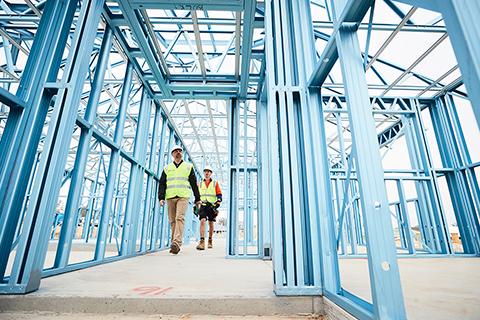
While many on-site activities are the same regardless of construction materials, working with LGS framing has some specific differences.
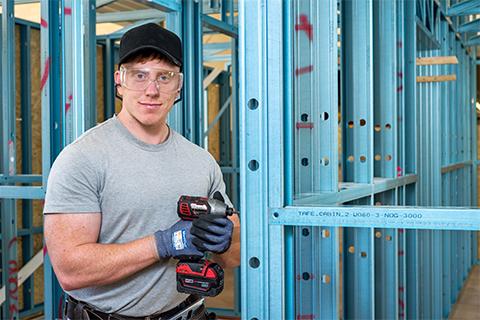
Learn about fasteners for LGS frame installation and tie-down bolts to connect walls to concrete floors.
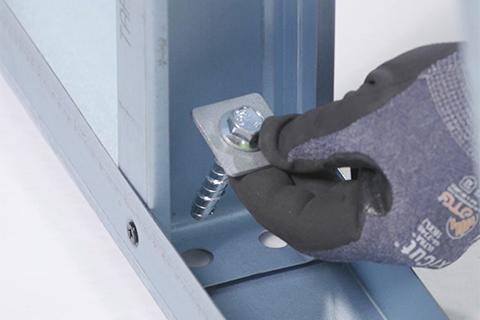
This topic shares tips for the handling and storage of LGS frames when on site.
Learn how to fasten LGS wall frames to the flooring system and join wall frames together.
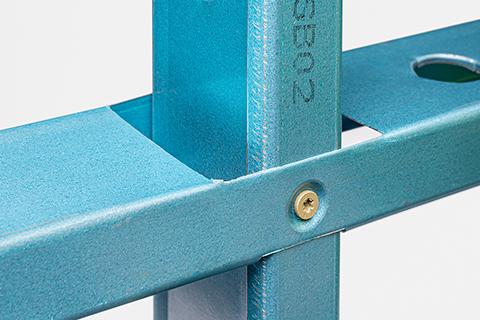
Learn about the orientation and layout of LGS floor trusses & see examples of different systems.
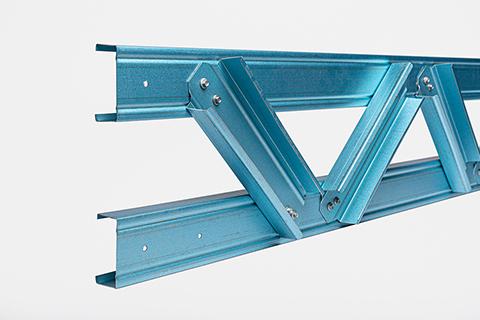
This topic explores the differences in various truss systems and key installation differences. It also covers fixing LGS framing members to structural steel.
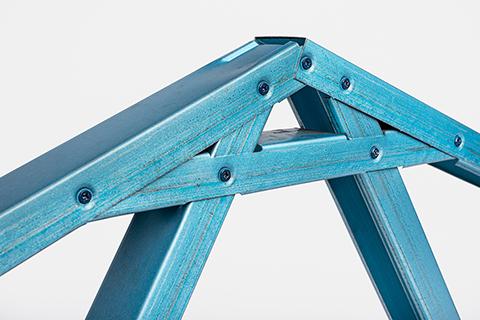
Find out how to remove the door bottom plate in a few easy steps.
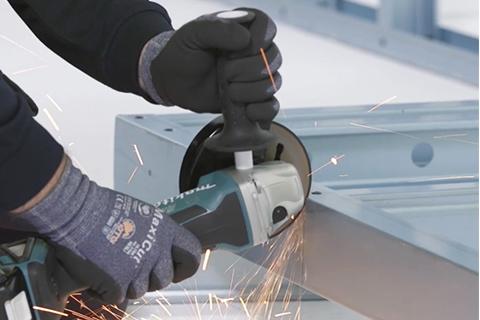
Regardless of system or technology, LGS wall frames require bracing to resist the horizontal shear forces generated by wind.
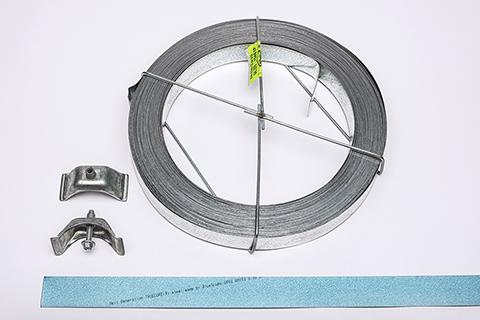
Damp-proof courses (DPCs) provide important protection against corrosion of LGS framing and are recommended as best practice. Find out more!
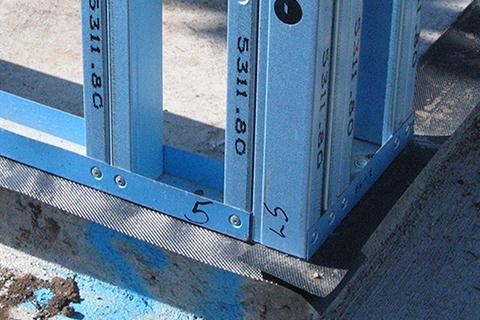
This topic outlines when thermal breaks are required and methods to achieve compliance.
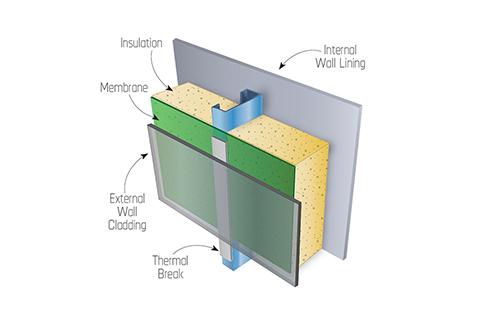
There may be instances where you need to make on-site modifications when working with Light Gauge Steel frames.
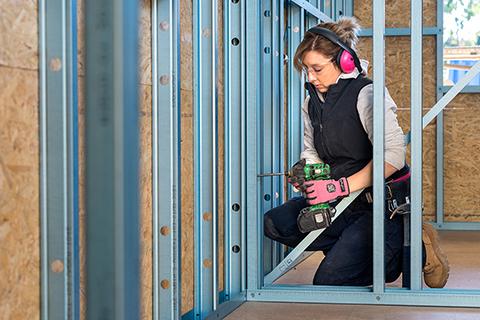
This topic covers the steps needed to replace a LGS frame component that has been damaged.
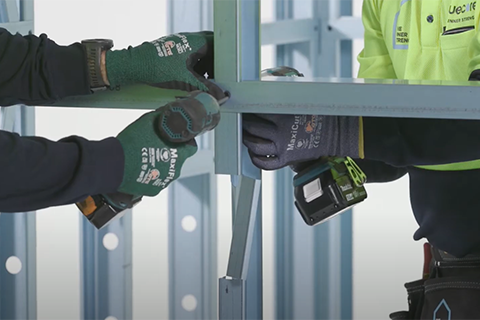
This topic outlines how to modify door and window openings in LGS frames.
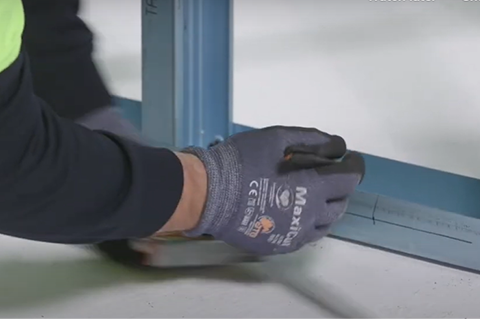
Noggins can be made onsite from LGS or timber, or proprietary products can be used. Find out more in this topic!
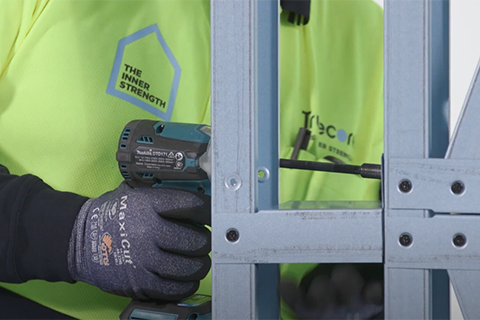
At times it might be necessary to repair a screw that has been stripped or overdriven. It's easy to do in 3 steps!
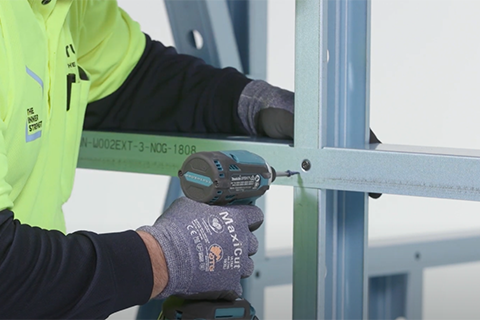
This topic looks at methods to create new service holes and recommended hole sizes and layouts.
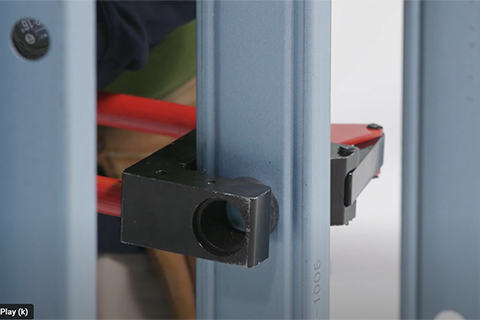
Compliance is essential for all construction activities and Light Gauge Steel (LGS) framing is no exception.
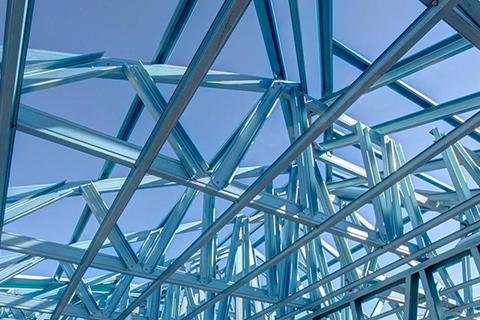
This topic discusses galvanic corrosion and outlines materials that can be used and those that must be isolated from LGS frames.
This topic looks at Deemed-to-Satisfy solutions for construction in designated bushfire prone areas.

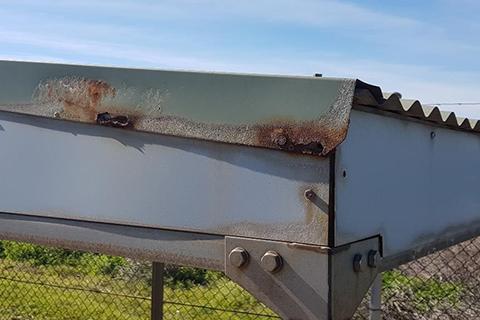
In marine zones, a greater level of isolation from the external environment is required to prevent salt-laden air from contacting the LGS frame.

Learn how product designation markings required by AS 1397 help verify compliance and minimise the risk of non-compliant steel in LGS frames.

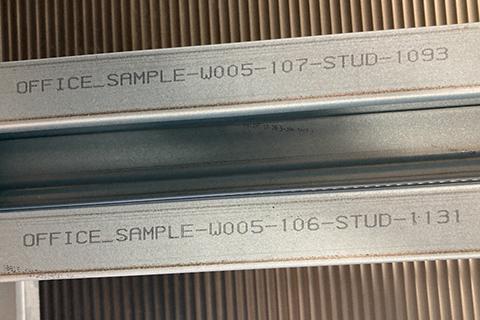
LGS frame manufacturer markings help identify components, streamline assembly and support on site installation.

Learn more about working with LGS framing. Explore our how-to videos and other resources.