Warning

Apply thermal breaks

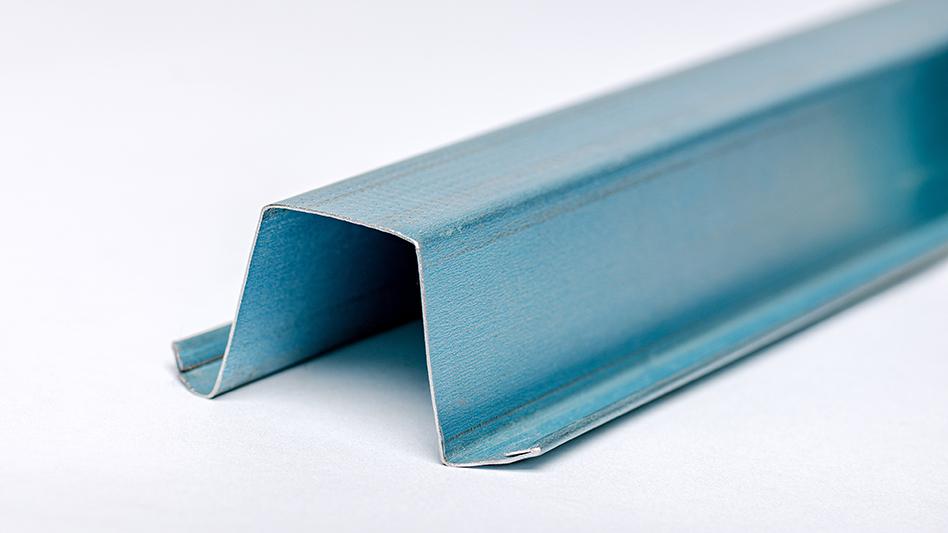
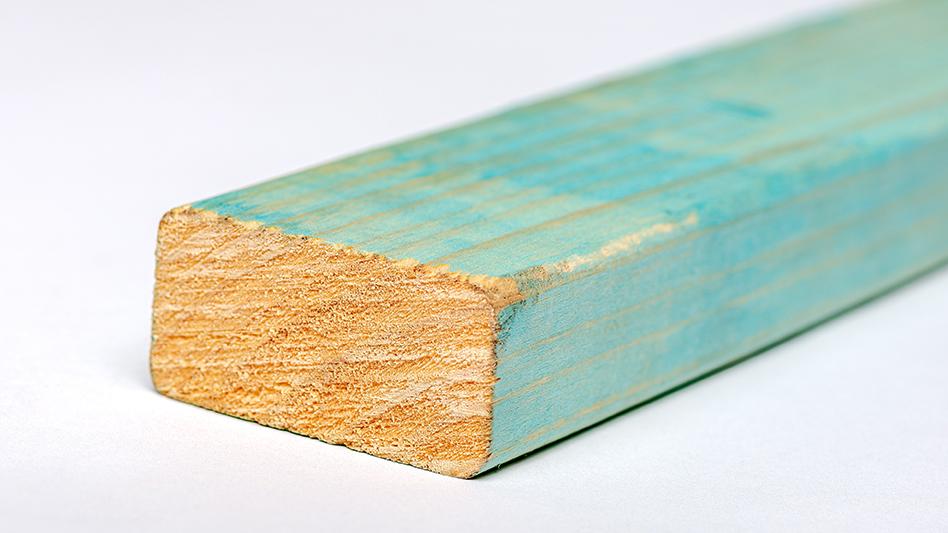
(00:06) Where thermal breaks are needed to meet the NCC requirements, there are a number of options. Commercial products with an R value of 0.2, metal batten, or timber with a minimum 20mm thickness.

Thermal breaks reduce the flow of thermal energy between conductive materials such as lightweight metal cladding and a steel frame.

Today we are looking at the application of a commercial product with an R value of 0.2.

(00:38) The first step is to apply a double-sided tape up and along studs to act as a temporary fixing for the breathable pliable membrane until it is screw fixed into position. Short lengths of tape are sufficient.

The membrane is applied with the foil side to the inside. The membrane must be a vapour-permeable membrane Class 3 or 4.

(01:26) Ensure it is applied square and smooth.

There are a range of options acceptable to secure the membrane in line with AS 4200. Here we show an example of the screw and washer option.

Additional screws would be required to meet the spacing requirements which is stated as being not greater than a 600mm grid.

(02:40) The thermal break is then applied following the specific product manufacturer's instructions.

(03:00) The thermal break needs to fully cover the height of the cladding.

(03:35) Apply the cladding following the cladding manufacturer's instructions. And ensure it is fastened through the thermal break, membrane and stud.
Thermal Breaks

Thermal bridging is a term given to heat transfer through a conductive path that generally bridges insulation. Thermal breaks act to minimise heat transfer through the frame. The “R” rating refers to the degree of resistance to heat flow.

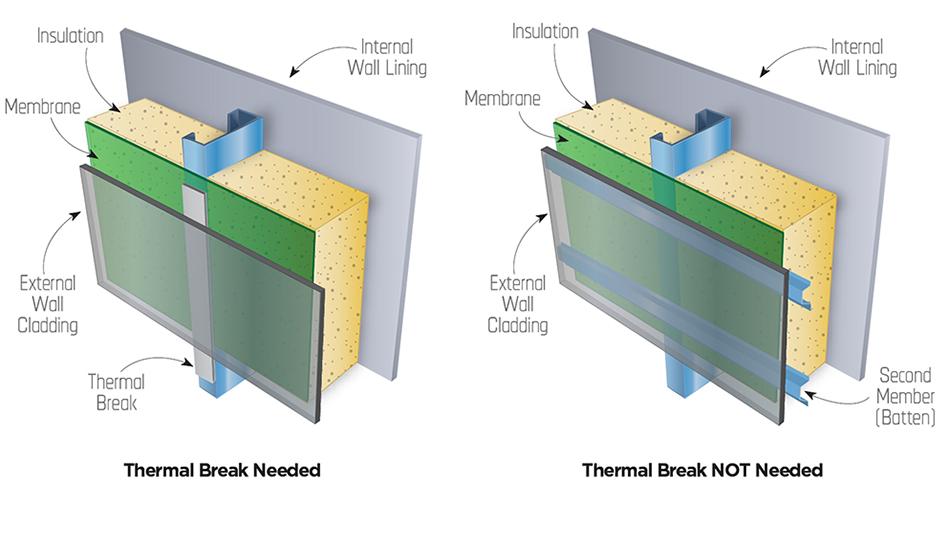
Under NCC compliance requirements for Energy Efficiency, thermal breaks with a minimum R-value of 0.2 are required for roofs and walls where the external lightweight cladding and internal lining are fixed to the same member eg wall stud or roof rafter. For roofs, lightweight cladding refers only to metal roof sheeting and for walls, includes weatherboards, fibre-cement and metal wall cladding.

Thermal breaks are not required when either the lightweight cladding or the lining is fixed to a secondary member (batten).


Thermal Break Steel Battens

When an LGS frame construction involves lightweight external cladding (such as weatherboards, fibre cement or metal sheeting) there are two ways to achieve compliance.

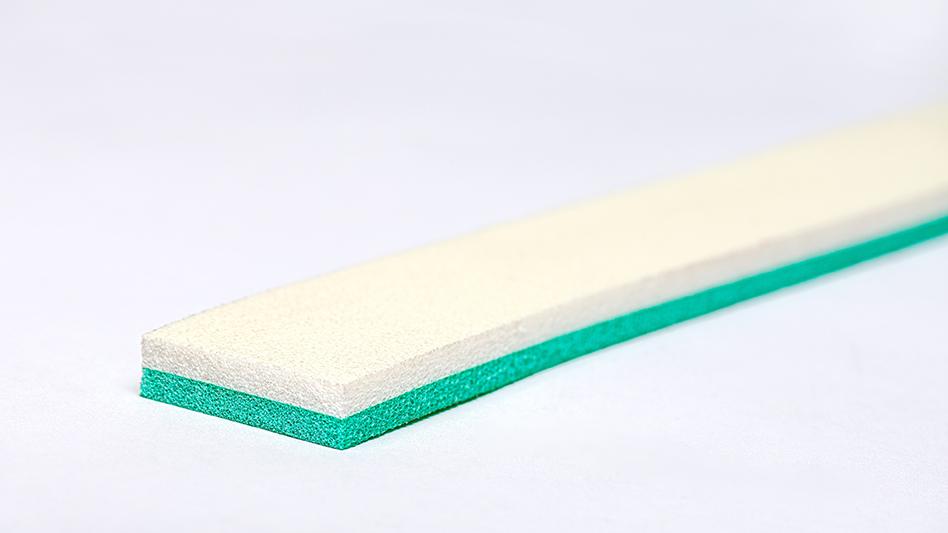
A proprietary thermal break with a minimum R-value of 0.2:

Hardie Break

OR

Min 20mm thickness battens from either metal or timber.

If fixing metal battens vertically, these should be fixed off stud (allow a 50mm minimum offset to parallel wall framing members) and secured to the top plate, bottom plate and noggins.

Individual LGS Ceiling Batten
Timber Batten

Steel framed brick veneer buildings do not require a thermal break because the air gap between the bricks and frame is considered sufficient. AAC and EPS cladding are other examples of products that don’t require a thermal break. Note that Insulated Sandwich Panels are not considered to be “lightweight cladding” and do not require a thermal break.

Vapour permeable wall membranes are generally recommended for LGS framing and these should be installed prior to the thermal breaks. Options for holding the wall membrane in place prior to fastening include double-sided tape, suitable LGS nail and washer etc.

Conventional pitched or truss roofs don’t require thermal breaks. However, thermal breaks are required for roofs with cathedral ceilings and skillion roofs, where the external metal sheeting is fixed on the same structural member as the internal lining. A roof thermal break with a minimum R-value of 0.2 needs to be built into the construction system design.

Construction Solutions for thermal breaks for roofs

Using 20mm metal battens (installed perpendicular to the structural frame) is a recommended approach. This can also be a non-combustible solution for bushfire construction, zero lot boundaries and within 900mm of building allotment.

Alternative thermal break materials that are deemed suitable include:

Expanded polystyrene (min. 12mm thickness) 

  • Continuous compressed insulation blanket and foil 
  • Timber (min. 20mm thickness) 
  • Proprietary strips (e.g. James Hardie HardieBreak)